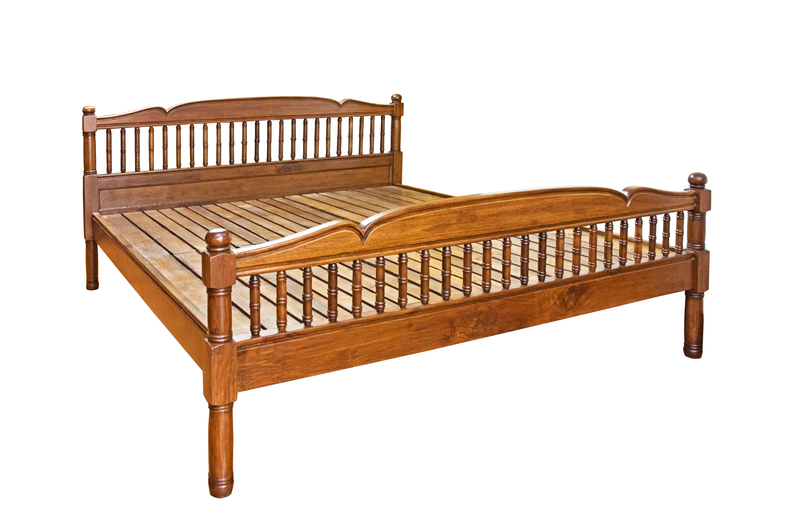
House Clearance in Ascot

House Clearance Ascot provides a practical, property-wide clearance service for homes that need furniture, appliances, general contents or accumulated items removed in an orderly way. The focus is on making the process straightforward for homeowners, landlords, executors and agents who need rooms emptied with care and attention to what should be kept, moved or removed. We work across full and partial clearances, with an approach that is suited to houses, flats and larger family properties where different rooms often need different levels of work.
The service is built around clear communication and sensible sorting. Some customers want a complete clearance after a move, sale or bereavement, while others only need selected areas dealt with, such as a loft, garage or a few bulky rooms. We can help with those varied requirements and plan the work around the items that matter most, so the property is left in a condition ready for the next stage. If you are comparing options, it is sensible to start with the rooms that need the most attention and then decide what can stay, what should be separated for reuse and what should be removed.
For a clear quotation, it helps to have a simple room-by-room idea of what is present, including any awkward access, heavy pieces or items that may need extra handling. Photos can be useful, but they are only one part of the picture. A short list of rooms or item types often makes it easier to compare like with like. If you already know the scope, make contact and request a quotation in the way that suits you best.
Complete and partial house clearance
A house clearance is rarely one single type of job. Some properties need everything removed from every room, while others need a selective service where only certain contents are taken away. We can handle both approaches and adapt the work to the property layout, the volume involved and the condition of the items. That means the service can suit a straightforward empty property as well as a lived-in home where sorting must be done carefully.
In many cases, the most useful first step is deciding whether the task is best treated as a full clearance or a partial clearance. A full clearance can involve bedrooms, living areas, storage spaces and outbuildings, while a partial clearance may focus on furniture that is being replaced, boxes that have built up over time or particular rooms that must be cleared quickly. You can then shape the work more accurately and avoid removing things that should remain in place.
How the property layout affects the work
Layout matters because a home with tight stairs, narrow landings or multiple levels usually takes more careful handling than a straightforward ground-floor property. Heavy wardrobes, beds, chests of drawers and white goods may need different routes through the building, and access can affect the order in which rooms are tackled. Good planning reduces disruption, especially where there are items that must stay in the property until the end of the visit.
Furniture, appliances and general contents

Many clearances begin with the larger items: sofas, tables, chairs, beds, wardrobes, shelving, cabinets and appliances. These pieces often take the most space and shape the rest of the job because they are awkward to manoeuvre and need sensible sequencing. We can clear individual bulky items or a whole set of contents depending on what the property contains. This makes the service useful whether you are making space for renovation, reducing clutter or dealing with a property that must be emptied before handover.
Alongside the larger items, there are often smaller contents that still need attention: ornaments, kitchenware, boxed belongings, mixed household items and stored bits from cupboards or shelves. A methodical approach is important because these mixed contents can be easy to overlook. If there are items you want to keep, it is best to separate them early. Useful preparation usually means a little more clarity at the outset rather than last-minute decisions in the middle of the clearance.
When people ask for a quotation, the difference between one heavy item and an entire room of mixed contents can be significant. It is therefore helpful to note what is in each room, whether the items are easily reached and whether any pieces are fixed or built-in. A clear description supports a more useful estimate and helps the work run in a more orderly way. If you are ready to compare options, ask for a quotation with the rooms and item types listed together.
Lofts, garages and storage spaces
Storage areas can be some of the most time-consuming parts of a clearance because they often contain long-retained belongings, seasonal items, boxed paperwork, broken furniture and pieces that were set aside for later sorting. Loft and garage clearance work usually needs patience and care, especially where access is restricted or the contents have been stacked over time. We can clear these spaces on their own or include them as part of a wider house clearance.
The practical challenge with lofts and garages is often organisation rather than volume alone. Some items are simple to remove, while others may need to be separated from things that must stay, such as tools, holiday items or family possessions. It helps to decide whether the space should be emptied completely or only partially cleared. In either case, the work is easier when valuable or fragile items are identified beforehand, because that reduces the chance of confusion during sorting.
For properties with several storage spaces, it can be useful to think in layers: first the main floor rooms, then the loft or garage, then any remaining cupboards or sheds. That gives the clearance a logical order and helps ensure nothing important is missed. If you want a clearer idea of what the job involves, request a quotation based on the storage areas as well as the main living rooms.
Gardens, sheds and external areas

Some house clearances extend beyond the interior and include external spaces such as gardens, sheds, lean-tos and side storage. These areas often contain mixed outdoor items, broken garden furniture, plant pots, tools, bags of old materials and general waste that has built up over time. A clear-out of these spaces can be useful before selling a property, preparing for tenants or simply regaining control of the usable outdoor area.
Garden-related clearance work is different from indoor clearance because items may be weathered, damp or spread across several corners of the site. That means a sensible approach is to identify what should be removed, what needs to remain and whether any items are too fragile or too awkward to move without extra care. External spaces often work best when they are tackled after the main rooms, so there is a clear route for carrying items out of the property.
If the garden contains a mixture of reusable items, rubbish and old storage, it is worth separating those categories before the work begins. This makes it easier to judge the scale of the task and gives a more accurate picture of what needs attention. You can use a brief written summary or send photographs if that helps, then follow up with a quotation request once the scope is clear.
Furniture removal and disposal options
Not every customer needs a full house clearance. Sometimes the main requirement is to remove a few pieces of furniture, make space in a room or dispose of bulky items that are no longer wanted. In those cases, a focused furniture clearance or furniture disposal service can be the most practical option. It allows you to deal with individual items without committing to a larger property-wide job.
Furniture removal is often most useful when a room is being redecorated, replaced, rented out or prepared for a move. Sofas, armchairs, wardrobes and dining sets are common examples, but the same principle applies to other awkward items that are difficult to move on your own. Where pieces are in good condition, customers sometimes want them set aside for potential reuse; where they are worn or damaged, the priority is usually straightforward removal and sensible handling.
Choosing the right level of service
There is a difference between a single-item removal, a room-clearance of furniture and a broader household job. Choosing the right level of service usually depends on how much remains in the property after the main pieces are taken out. If the larger furniture is the real obstacle, that may be enough. If smaller contents, boxes and mixed items also need attention, a wider clearance is usually more efficient. Matching the service to the actual contents keeps the work more focused and easier to quote.
Working around sensitive situations

Some house clearances involve sensitive timing or careful decisions about what is removed. That may include properties following a bereavement, homes being prepared for probate, or places where a move has been delayed and the contents now need to be dealt with in stages. In these situations, a calm and methodical approach matters more than speed. The service should allow time for decisions, sorting and identifying items that are to remain with the property or with family members.
A measured clearance can also help where a home has a mixture of personal belongings, furniture and long-stored items. Rather than treating everything as identical, the work can be approached room by room or category by category. That is often the most sensible way to handle belongings where some items have sentimental value and others simply need to be removed. Clarity about priorities is the best way to keep the job manageable.
It is useful to prepare any instructions before the clearance begins, especially where certain rooms or cupboards should not be entered until checked. If multiple people are involved in the decision-making, a brief written summary can prevent confusion later. Once the scope is agreed, you can request a quotation that reflects the property, the access and the level of sorting needed.
About Ascot
Ascot is a settlement in Berkshire best known for its association with Ascot Racecourse and the surrounding area of south-eastern England. It lies within the Royal Borough of Windsor and Maidenhead and has developed as a place shaped by rail links, residential growth and its connection to nearby woodland and open land. The racecourse, first established in the early eighteenth century, remains one of the area’s most recognisable landmarks and forms part of a wider sporting and social identity that has influenced how Ascot is known nationally. The name also extends beyond the racecourse to a settled townscape with roads, housing and local services serving everyday life as well as event-based activity.
House clearances for homes, flats and managed properties
Different property types need different levels of planning. A flat clearance may involve lifts, communal entrances and limited parking, while a larger house may involve more rooms, lofts, garages and garden buildings. Managed properties can also need a clearer order of work because keys, access times and handover dates may be fixed. We can adapt the service to the building type so the clearance is completed in a practical sequence rather than forcing a one-size-fits-all approach.
Where several spaces are involved, it often helps to decide which rooms are the priority and which can be left until later. That order matters because it can make the rest of the job easier, especially where one room contains the items needed for access or the protection of surfaces. A simple plan for the day can reduce unnecessary lifting and avoid moving items twice. If you are preparing for a sale, rental changeover or refurbishment, this structure can be especially useful.
There are situations where the job is best divided into stages rather than handled as one large sweep. For example, you may want main rooms cleared first, then storage areas, then final checks. That approach can suit homes with mixed contents or multiple occupiers. If that sounds closer to your situation, ask for a quotation based on the rooms that need attention and any access details that affect the work.
Pricing, access and quotation details

Clearance pricing is usually shaped by the amount of material, the type of items, the time needed and the access available. A property with easy ground-floor access is not the same as a building with narrow stairways, long carries or multiple levels. Likewise, a job dominated by bulky furniture may be handled differently from one made up of boxed contents, mixed household items or storage overflow. Giving a realistic picture of the contents is the best way to support an accurate quotation.
It is also helpful to say whether any items are unusually heavy, fragile or awkward to reach. That does not need to be an exhaustive inventory, but it should be enough for the job to be assessed properly. If you are uncertain how to describe the contents, a few photographs and a brief note about which rooms are involved is often a sensible starting point. The aim is to make the quotation fair and the work efficient, not to overcomplicate the process.
To arrange the next step, send through the property details and ask for a quotation. If you prefer, you can begin with a short outline of the rooms, storage areas and major items, then follow up with any extra notes. That gives the clearest basis for planning the clearance and deciding what is needed. Request a quotation when you are ready, and we can discuss the most suitable scope for the property.