Recycling and Sustainability for House Clearance Ascot
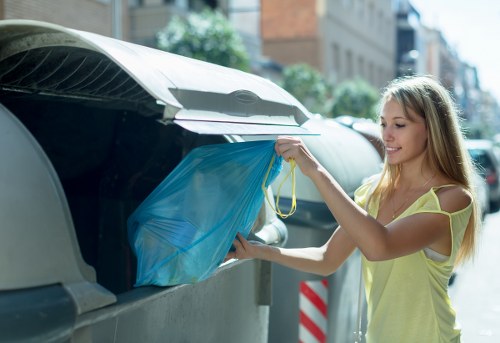 At House Clearance Ascot we place sustainability at the heart of every clearance. Our approach to eco-friendly waste disposal and sustainable rubbish removal is designed to minimise landfill, maximise reuse, and support the local circular economy. We combine careful sorting on-site with targeted delivery routes to local facilities so that items can be recycled, refurbished, or donated rather than destroyed. The goal of Ascot house clearance teams is simple: reduce environmental impact while providing a thorough, compassionate service.
Every crew member working on house-clearance Ascot projects follows a strict protocol for on-site segregation. We separate bulky items, textiles, electricals, metals, and hazardous materials from general waste and offer specialist handling for items like mattresses and white goods. This initial separation aligns with the Royal Borough of Windsor & Maidenhead's kerbside approaches to waste separation—paper and cardboard, mixed containers, glass, garden and food waste—so that cleared materials can enter the right recycling streams with minimal contamination.
 Our recycling percentage target is ambitious and measurable: we aim to recycle or repurpose 75% of material recovered from each domestic clearance. That target covers reuse through charity donation, official recycling streams at local transfer stations, and materials sent for specialist reclamation. By tracking weights and destinations for all diverted items, our Ascot house clearance reports can demonstrate continuous improvement toward a higher circularity rate year on year.
We work closely with council infrastructure and local transfer stations to ensure responsible disposal. Items that cannot be reused are taken to authorised facilities across the county, including household waste recycling centres and transfer stations serving Windsor & Maidenhead and neighbouring boroughs. These partners accept separate streams—glass, mixed recyclables, soils and hardcore, timber, and electrical waste—allowing us to divert more material from landfill than typical mixed-waste routes.
Partnerships with charities are central to our sustainability work. When items are in good condition we prioritise donation over disposal: local charities, social enterprises and community reuse projects regularly collect furniture, books, clothing and working appliances. Organisations we routinely collaborate with include local charity shops and national charities operating in Berkshire and surrounding areas, enabling faster reuse and supporting social value in Ascot. Where specialist uplift is needed, we coordinate collections so donations are safe, traceable and tax-compliant.
 Our fleet is part of the low-carbon strategy: we deploy a mix of hybrid and low-emission vans for short urban journeys and plan routes to minimise mileage. Investment in low-carbon vans and eco-driving training reduces fuel use and air pollution during house clearance operations. For larger loads where an electric vehicle is not yet feasible, we optimise consolidation to cut trips, and we continually review opportunities to expand electric vehicle (EV) use as charging infrastructure improves across the borough.
How we manage recycling on site
On arrival our teams carry portable segregation stations and a simple checklist so that materials are sorted at source. This on-site separation supports the boroughs' established waste separation schemes: recyclables are separated from residual waste, hazardous items are isolated, and reusable pieces are identified for charity donation. We use clear labelling and bags for quick transfer and reduced cross-contamination, and we document items destined for reuse to provide transparency in our sustainability reporting.Practical recycling activities
Typical recycling activities we facilitate in Ascot include:- Removal of textiles and provision to local clothing banks or textile recyclers
- Collection and safe disposal of electrical items (WEEE) to authorised processors
- Segregation of metals and timber for recycling or recovery
- Delivery of ceramics, rubble and inert materials to licensed transfer stations
 We also run preventative measures to reduce waste at source: advising clients on decluttering to find items suitable for donation, scheduling removals at times suited to charity collections, and offering temporary storage for items awaiting reuse. This proactive approach reduces unnecessary handling and cuts down on the transport footprint of reclaimed goods from house clearance in Ascot.
 Accountability and transparency are essential. We maintain records of diversion rates, weights delivered to each partner site, and the charities receiving donations. These figures support our aim to increase the percentage of cleared material that is recycled or reused and help track progress against our 75% recycling target. Regular audits and partnerships with transfer stations and salvage centres help us validate those numbers and identify further opportunities for improvement.
Community engagement reinforces our operational commitments. We attend local environmental forums, participate in borough waste reduction initiatives, and support community reuse events. By aligning houseclearance Ascot work with municipal recycling calendars and local campaigns, we help residents get the most value from cleared items and encourage behaviour change that reduces future waste generation.
In summary, our sustainable rubbish services combine robust on-site separation, strong charity partnerships, strategic use of local transfer stations, and a commitment to low-emission transport. Whether you search for House Clearance Ascot or Ascot house clearance, you can expect a service that prioritises the environment, supports local communities and continually raises the bar for responsible, eco-friendly waste disposal.
