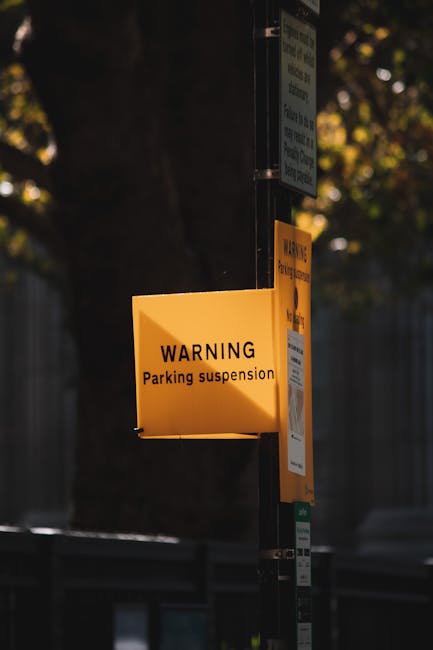
Cheapside Ascot rubbish removal when parking is restricted
Sorting out rubbish removal in Cheapside, Ascot sounds straightforward until you meet the real-world problem: no easy place to park, tight access, a narrow road, and a job that still needs doing today. That is where Cheapside Ascot rubbish removal when parking is restricted becomes less about simply collecting waste and more about planning the clearance properly. If you have ever stood at the kerb thinking, where on earth does the van go?, you already know the challenge.
In this guide, we will break down how restricted-parking clearances work, what makes them different, and how to avoid delays, awkward loading problems, and avoidable costs. We will also cover practical options, compliance basics, and a simple step-by-step approach that makes the whole process feel a lot less stressful. Truth be told, the difference between a smooth job and a frustrating one is often just a bit of preparation.
Whether you are clearing a flat, a house, an office, or just a pile of bulky items that have finally worn out their welcome, the aim is the same: get the waste removed safely, quickly, and without upsetting neighbours or blocking traffic for longer than necessary.
Table of Contents
- Why parking restrictions change the job
- How the clearance process works
- Key benefits and practical advantages
- Who this is for and when it makes sense
- Step-by-step guidance
- Expert tips for better results
- Common mistakes to avoid
- Tools, resources and recommendations
- Law, compliance, standards and best practice
- Options, methods and comparison table
- Case study or real-world example
- Practical checklist
- Conclusion
- Frequently asked questions
Why Cheapside Ascot rubbish removal when parking is restricted Matters
Parking restrictions change everything. A clearance that would be simple on a wide driveway can become messy on a street with limited stopping space, double yellow lines, bay restrictions, or traffic that never really lets up. In Cheapside, Ascot, that matters because a waste team may have to work from a van parked further away, carry items longer distances, or coordinate the job around timed access windows.
That affects speed, labour, and sometimes even what can be removed in a single visit. It also affects neighbours and passers-by. If a bulky sofa is dragged halfway down a narrow path while cars are waiting behind a van, the whole operation becomes more visible, more stressful, and frankly more likely to go wrong. Not ideal.
Restricted parking also creates a planning issue for the customer. If you do not think about access in advance, you can end up with a crew arriving and then losing time while they hunt for a workable loading point. That is when a "quick collection" becomes a longer job than expected. A good clearance plan removes that uncertainty before the van turns up.
There is another angle too: when parking is tight, the choice of service matters. Some clearances are better suited to a smaller team, some to a vehicle that can stop briefly near the property, and some to a pre-booked slot with extra loading time built in. The right setup makes a very practical difference, even if nobody talks about it much.
How Cheapside Ascot rubbish removal when parking is restricted Works
In a restricted-parking area, rubbish removal usually starts with a quick assessment of access. That can be done from your description, photos, or a site visit depending on the size of the job. The main question is not just what needs removing, but how close the vehicle can get and how much carrying is involved.
From there, a typical process looks something like this:
- You describe the waste, access, and any parking limits.
- The clearance team checks whether they need extra time, a second person, or a smaller vehicle approach.
- A booking is set for a time that suits access conditions, neighbours, and any loading limits.
- On arrival, the team plans the safest route from property to vehicle.
- Waste is sorted, lifted, and removed with the least disruption possible.
- Reusable or recyclable items are separated where suitable, and the area is tidied before the job is signed off.
That sounds simple, and sometimes it is. But on a busy road with limited stopping space, the small details matter. Can the van pause without causing an obstruction? Is there a short stay loading bay nearby? Is the lift route clear of low branches, steps, or tight corners? Small questions, big impact.
In our experience, the best results happen when the customer gives honest detail early. A photo of the pile, a note about the road layout, and a heads-up about neighbours or school-run traffic can save a lot of faff later. It is the sort of thing people forget right up until the day, then wonder why it feels rushed.
Key Benefits and Practical Advantages
When parking is restricted, using a rubbish removal service with proper access planning offers more than convenience. It solves the practical headache of moving bulky waste without creating extra mess or unnecessary delays.
- Less disruption: A planned arrival and loading approach reduces the chance of blocking neighbours or holding up traffic.
- Safer lifting: Fewer awkward last-minute carries mean less strain and a lower chance of damage to walls, doors, and items on the way out.
- Better time control: You are less likely to lose half a day waiting for the "right" parking spot to appear.
- Cleaner finish: Teams that plan access properly tend to leave less debris behind because they know exactly how the route will work.
- Fewer surprises: A clear quote and a clear plan reduce the risk of hidden extras caused by access problems.
There is also peace of mind. Let's face it, no one wants a bulky wardrobe sitting in the hallway because the vehicle cannot stop where expected. When the access plan is sound, the whole removal feels calmer. That calm matters more than people think.
Expert summary: In restricted-parking areas, rubbish removal works best when access is treated as part of the job, not an afterthought. Clear the route, confirm where the vehicle can stop, and expect a slightly more tailored service than a standard roadside collection.
Who This Is For and When It Makes Sense
This type of clearance is useful for anyone dealing with waste in a place where stopping or loading is not straightforward. That includes residents, landlords, estate managers, letting agents, small businesses, and people clearing inherited property that sits on a tight street. If you are in Cheapside, Ascot and there is nowhere sensible for a van to sit for long, you are exactly the kind of customer who benefits from a planned approach.
It makes sense when:
- you have bulky furniture that is too awkward for the car boot
- you are clearing out after a tenancy, renovation, or office move
- the waste is too much for ordinary bin collections
- the road has limited loading space or timed restrictions
- you need the work done without a long delay or multiple trips
It also makes sense if you simply do not want the stress. There is no prize for battling with a mattress in a narrow entrance while trying to remember whether the neighbour's car is legally parked or just, well, in the wrong place by one inch.
For landlords and property managers, restricted parking adds another layer: timing. If a tenant is moving out and the property needs to be turned around quickly, a delayed clearance can push back cleaning, repairs, or viewings. In those cases, a service that can plan around access is not a luxury; it is part of keeping the schedule intact.
Step-by-Step Guidance
If you want the job to go smoothly, a little preparation goes a long way. Here is a simple way to handle Cheapside Ascot rubbish removal when parking is restricted without turning it into a headache.
1. Identify what needs to go
Start with a clear list. Separate general rubbish, furniture, appliances, garden waste, and anything that may need special handling. A pile that looks "about half a van" is easier to plan when it is actually broken down into categories.
2. Check the access route
Look at the path from the property to the street. Are there steps, narrow gates, tight corners, low ceilings, or soft ground? Does the waste need carrying through a hallway with fragile items? These details affect time and manpower.
3. Think about parking and loading
Note any double yellow lines, permit bays, loading windows, school-time restrictions, or places where the van can briefly stop without causing trouble. If you are not sure, describe the situation as clearly as you can. Even rough info helps.
4. Prepare the waste
Where possible, group items by room or type. Remove loose contents from cabinets. Tie up smaller rubbish sacks. Flatten cardboard. A few tidy piles can shave time off the collection, and yes, it makes the crew's life much easier.
5. Share key details before booking
Tell the team about access issues, fragile items, basement stairs, pets, or anything else that could slow things down. If there is a lift or a concierge arrangement, mention that too.
6. Be ready at arrival
Try to have access arranged and the route cleared when the vehicle arrives. If a parking spot has been reserved or a loading space is available only for a short period, timing matters. A minute here, a minute there... it adds up fast.
7. Confirm sorting and disposal expectations
Ask how reusable, recyclable, or mixed waste will be handled. Good operators should be able to explain this plainly. No jargon. No drama.
The main thing is this: the better the setup, the less likely you are to run into avoidable hold-ups. Simple, but true.
Expert Tips for Better Results
A few small choices can make a big difference when access is awkward. These are the sorts of practical details that experienced clearance teams watch for straight away.
- Photograph the access route: One photo of the street and one of the item pile can save a lot of back-and-forth.
- Book with a buffer: If the road gets busy at certain times, avoid squeezing the job into the most congested window.
- Break down large items early: Beds, shelving, and wardrobes are easier to carry if dismantled where safe to do so.
- Protect floors and corners: If items must pass through the property, use coverings or shields where needed.
- Sort the obvious recyclables: Cardboard, metal, and clean wood are often easier to handle when separated in advance.
- Keep the route clear of loose bits: Shoes by the door, planters in the way, and random storage boxes can all slow the job down. It happens more often than you would think.
One small human truth here: people often underestimate how much time is lost by the first five metres. Not the whole job. Just the first five metres. A bit of clutter at the front door can make a simple move feel oddly complicated.
If you are dealing with a more sensitive situation, such as clearing after illness, a bereavement, or a long period of accumulation, the best advice is to slow the process down slightly and communicate what matters most. Fast is good. Careful is better.
Common Mistakes to Avoid
Restricted parking jobs tend to go wrong in predictable ways. The good news is that most of them are avoidable.
- Assuming the van can park anywhere: Not every road allows easy stopping, and not every loading bay suits every job.
- Underestimating the carry distance: Ten extra metres may not sound like much until you are moving a heavy fridge.
- Leaving the pile scattered: Loose waste takes longer to load and can create safety issues.
- Forgetting about neighbours: A blocked driveway or long loading delay can create avoidable friction.
- Not mentioning access limits: If the team only learns about the staircase on arrival, the plan may need changing on the spot.
- Choosing purely on price: A cheaper quote can look attractive until access problems push the job beyond the original estimate.
There is also a common mindset mistake: thinking parking restrictions are just an annoyance. They are more than that. They shape the whole job. Once you accept that, planning becomes much easier.
Tools, Resources and Recommendations
You do not need a van-load of gear to prepare for a restricted-access collection, but a few simple tools can help. A tape measure, a phone camera, gloves, bin bags, and a sturdy trolley for smaller items can make the process cleaner and safer.
For sorting and organising, these small habits help:
- label rooms or item groups with sticky notes
- use one box for mixed smaller bits and another for recycling
- keep screws, fittings, and brackets together in a bag if furniture is being dismantled
- keep fragile glass or ceramics separate from heavy waste
If you are comparing clearance services, it can help to review a company's approach to access, safety, and disposal. Relevant pages such as insurance and safety information, recycling and sustainability, and pricing and quotes are useful if you want to understand how the service is structured before you book. For larger property jobs, the overview pages for house clearance and home clearance can also help you match the service to the scale of the job.
If your clearance is part of a bigger job, there are often adjacent services worth considering. For example, a flat with limited parking may be better handled as a flat clearance, while garden waste at the rear of a property may need garden clearance. If the items are mainly old chairs, tables, or sofas, then furniture disposal may be the most direct route.
Law, Compliance, Standards and Best Practice
When rubbish is removed from a property, the legal and practical expectation is that it is handled responsibly. That means using a service that understands waste handling duties, avoids fly-tipping, and disposes of items through appropriate channels. You do not need to become a waste expert yourself, but you should expect the company to act properly.
In plain English, best practice usually means:
- keeping waste out of the public highway for longer than necessary
- avoiding unsafe manual handling
- sorting recyclable or reusable items where appropriate
- disposing of waste through legitimate facilities
- protecting the property and surrounding area during loading
If the job involves business waste, office equipment, or larger mixed clearances, it is sensible to ask how the waste stream is managed. A business may need a slightly different approach from a domestic clearance, especially where paperwork, data-bearing items, or regular collections are involved. For those cases, pages like business waste removal and office clearance are relevant starting points.
Health and safety also matters. Carrying bulky items down steps or through tight hallways is where most preventable problems happen. A careful operator will plan the lift path, use suitable team numbers, and avoid forcing items through spaces that are simply too tight. That is good practice, full stop.
If there is ever uncertainty about what can be removed, what needs special handling, or how access should be managed on a tight street, ask the question before the job begins. Clear answers are usually a good sign.
Options, Methods, and Comparison Table
There is more than one way to handle rubbish removal in a restricted-parking area. The right choice depends on volume, item type, access, and how quickly you need it done.
| Method | Best for | Pros | Trade-offs |
|---|---|---|---|
| Full man-and-van clearance | Mixed household waste, furniture, awkward access | Flexible, quick, usually easiest for restricted parking | May cost more than doing it yourself |
| Small-item self-loading | Light waste, bagged rubbish, simple collections | Can be efficient if access is manageable | Less suitable for heavy or bulky items |
| Pre-broken-down load | Furniture already dismantled, cardboard, sorted waste | Faster loading and easier carrying | Requires prep time before collection |
| Multiple smaller trips | Very tight streets or phased clearances | Can fit around access limits | More time-consuming overall |
For many households, a man-and-van style service is the most practical. It adapts better when the van cannot park directly outside. For lighter, more predictable loads, careful pre-sorting can make a big difference. And if you are clearing out after a renovation, builder's waste may need a dedicated approach, so builders waste clearance is the better fit.
If you are trying to decide between methods, ask yourself one question: what is easier in real life, not just on paper? Because the tidy answer and the practical answer are sometimes two different things.
Case Study or Real-World Example
A fairly typical scenario in Cheapside might look like this: a top-floor flat with a narrow shared entrance, parking restrictions on the road outside, and a mix of old furniture, bags of general waste, and a couple of small appliances. The resident wants everything gone before a cleaner arrives the next day. Nothing dramatic, just a deadline and limited space. Classic.
The useful move is to plan around the access, not against it. The waste is grouped near the exit, loose cardboard is flattened, and the resident sends a couple of photos in advance. The clearance team arrives knowing they may need to park a short walk away, so they bring enough hands for the carry. That means fewer trips, less confusion at the kerb, and no awkward pause while the team decides how to manoeuvre a sofa through the doorway.
The result is usually simple: the job finishes faster, the property is left tidy, and the customer gets on with the rest of the day. Not glamorous. Just efficient. And honestly, that is what people want most of the time.
A similar approach works for garage or loft jobs where access is awkward. If the waste is tucked away in storage spaces, it can be worth reviewing garage clearance or loft clearance depending on where the clutter starts and how it needs to be moved.
Practical Checklist
Use this checklist before booking or on the morning of the clearance:
- Take photos of the waste and the access route.
- Measure any tight doorways, gates, or stair turns if bulky items are involved.
- Note parking restrictions, loading bays, or permit-only areas.
- Separate reusable, recyclable, and general waste where practical.
- Tell the team about stairs, lifts, shared entrances, or fragile surfaces.
- Remove personal items, paperwork, and anything you want to keep.
- Make sure pets and children are kept clear of the loading area.
- Ask how disposal, recycling, and heavy lifting will be handled.
- Check that the quote reflects the access situation, not just the pile size.
- Have a contact number ready in case the team needs a quick clarification.
That might sound like a lot, but most of it takes minutes. The pay-off is a smoother job and fewer surprises. A very fair trade, if you ask me.
Conclusion
Restricted parking does not have to turn rubbish removal into a problem. With a bit of planning, the right service can handle awkward access, protect your property, and remove waste without creating chaos on the street. For Cheapside Ascot rubbish removal when parking is restricted, success usually comes down to three things: clear access details, realistic timing, and a team that knows how to adapt.
If you are clearing a home, flat, office, or mixed pile of bulky items, focus on the practical side first. Measure, photograph, explain the parking situation, and choose a method that fits the street rather than fighting it. That approach saves time, reduces stress, and makes the whole job feel far more manageable.
Get a free quote today and see how much you can save.
And if you are still staring at the pile wondering where to begin, start with the smallest thing you can move. It is often the easiest way to get the whole process rolling.
Frequently Asked Questions
How do you arrange rubbish removal when parking is restricted in Cheapside, Ascot?
You usually arrange it by sharing clear access details before the booking. Photos of the road, the entrance, and the waste help the team judge whether they need extra time or a different vehicle setup.
Will restricted parking make rubbish removal more expensive?
It can, sometimes, because longer carry distances or extra labour may be involved. The best way to avoid surprises is to mention parking limits early so the quote reflects the actual job.
Can a rubbish removal team work if the van cannot park outside the property?
Yes, often they can. They may park nearby and carry the waste the remaining distance, provided the route is safe and practical.
What if I live on a narrow road with double yellow lines?
That is common in many local areas. The team should plan around it, but you should explain the restriction clearly so they know whether they need to use a loading bay, a short stop, or another access option.
Is it better to dismantle furniture before a restricted-access collection?
Usually yes, if it can be done safely. Breaking down large items makes carrying easier and can reduce the chance of damage to door frames and walls.
What kind of waste is hardest to remove when parking is limited?
Heavy bulky items like wardrobes, sofas, mattresses, and old appliances tend to be the most awkward, especially if they must be carried a long way to the vehicle.
Do I need to sort recyclables before the team arrives?
You do not always have to, but it helps. If items are grouped sensibly, loading tends to be faster and the clearance feels more organised.
Can you use this kind of service for office or business waste too?
Yes. Restricted parking can affect business clearances as well, especially in mixed-use areas or buildings with limited loading access. Office and business jobs may need extra planning.
How can I prepare my property for the fastest collection?
Clear the route, keep the pile together, remove personal items, and share photos in advance. A tidy, accessible route really does make a difference.
What should I ask before I book?
Ask how access affects timing, whether the quote includes carry distance, how disposal is handled, and whether the team is used to working on restricted streets.
Is same-day rubbish removal possible when parking is restricted?
Sometimes it is, if the job is straightforward and the route is workable. If access is tight or the load is large, pre-booking is usually safer and more reliable.
What is the main mistake people make with restricted-parking clearances?
The biggest mistake is underestimating access. People often focus on the pile itself and forget the road outside, which is usually where the real challenge lies.
If you want to compare services, understand access planning, or find a clearance style that fits your property, start with the practical details first. That is where the smooth jobs begin, and it is often where the headaches end too.