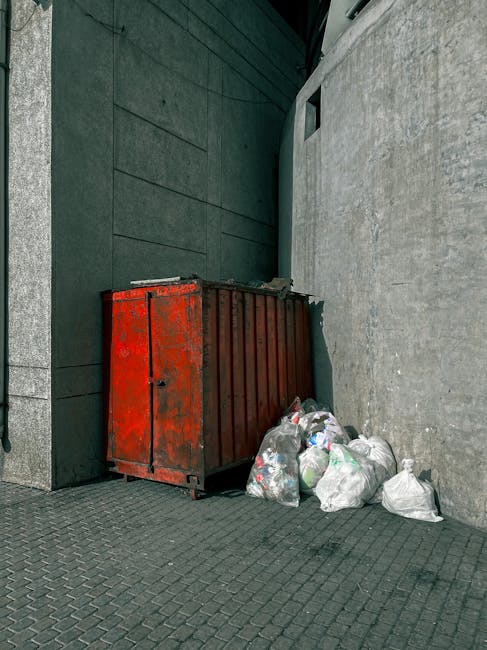
Permits for bulky waste in Ascot Windsor and Maidenhead rules
If you are trying to get rid of a sofa, broken wardrobe, mattress, old white goods, or a heavy pile of mixed junk, the rules around Permits for bulky waste in Ascot Windsor and Maidenhead rules can feel a bit tangled. Do you need a permit? Who applies for it? What counts as bulky waste anyway? And what happens if the waste is placed where a collection crew cannot legally or safely pick it up?
Truth be told, most people only look for this information when they are already in the middle of a clearance job, the hallway is blocked, and the garage suddenly looks twice as full as it did yesterday. This guide breaks the topic down in plain English. You will learn how the local process usually works, when a permit or booking condition may matter, where the risks sit, and how to avoid delays, fines, or a frustrating second attempt.
We will also cover practical ways to handle larger household clearances, mixed loads, and awkward items. If you are planning a bigger job, services such as house clearance, furniture clearance, and general waste removal can be useful when a simple curbside collection is not enough.
Table of Contents
- Why Permits for bulky waste in Ascot Windsor and Maidenhead rules Matters
- How Permits for bulky waste in Ascot Windsor and Maidenhead rules Works
- Key Benefits and Practical Advantages
- Who This Is For and When It Makes Sense
- Step-by-Step Guidance
- Expert Tips for Better Results
- Common Mistakes to Avoid
- Tools, Resources and Recommendations
- Law, Compliance, Standards, or Best Practice
- Options, Methods, or Comparison Table
- Case Study or Real-World Example
- Practical Checklist
- Conclusion
- Frequently Asked Questions
Why Permits for bulky waste in Ascot Windsor and Maidenhead rules Matters
Bulky waste is not the same as a bag of household rubbish. It is usually anything large, heavy, or awkward that needs a different collection method. Think sofas, beds, wardrobes, old appliances, garden furniture, or dismantled items that still take up a lot of space. In a place like Ascot, and across the wider Royal Borough of Windsor and Maidenhead area, the practical issue is often access: can the item be lifted safely, loaded legally, and removed without causing obstruction?
This matters because waste handling is not just about convenience. It is about safety, local rules, public access, and making sure the right route is used. A missed requirement can mean a failed collection, wasted time, or a load that sits on a driveway for days longer than planned. And nobody wants that. Especially when the weather turns damp and the smell of old upholstery starts drifting into the house, which, let's face it, is never pleasant.
There is also a wider responsibility angle. If a bulky item is left on a pavement, placed in the wrong location, or handed to the wrong person, the waste may become a problem for neighbours or the local environment. That is where compliance and good planning really pay off. It keeps the job neat, predictable, and far less stressful.
For households clearing several rooms at once, the issue becomes even more important. A simple one-item pickup may not be enough. If you are dealing with a loft, garage, or full property clearance, services like loft clearance and garage clearance can help you move larger volumes in a proper, organised way.
How Permits for bulky waste in Ascot Windsor and Maidenhead rules Works
The exact process depends on the collection route you use. In practice, bulky waste usually falls into one of three scenarios: a council-style collection, a private clearance service, or a self-managed disposal trip. Each comes with different expectations, and the word permit may mean slightly different things depending on context.
For many residents, the key question is not whether a paper permit exists in the old-fashioned sense. It is whether the collection is authorised, booked correctly, and placed where crews can legally and safely take it. Some jobs require advance booking, specific presentation instructions, or restrictions on where the waste can be left. Others may need access arrangements if the vehicle needs to stop on a road or shared access point. That is where the local rules around bulky items, parking, and street use can become relevant.
A private clearance operator usually handles the logistics for you, which removes a lot of the guesswork. They can advise on access, loading, item separation, and any paperwork or route-specific requirements. If your load includes mixed furniture, broken fittings, or leftover items from a move, a more complete service such as home clearance may be the cleaner option.
One thing to remember: bulky waste is often controlled by where it is collected from, not just what it is. A sofa left in a front garden is one thing. A sofa placed on a narrow road with limited parking is another. That tiny detail can change the whole process. A bit annoying, yes, but important.
What usually affects the process
- Whether the waste is on private land or a public highway
- The size, weight, and material of the items
- Whether the route requires a booking or access condition
- How safely the items can be lifted and loaded
- Whether the waste contains mixed materials, electrical items, or sharp edges
- Whether the collection is done by the council or a commercial operator
Key Benefits and Practical Advantages
Sorting bulky waste properly is not only about avoiding trouble. It gives you a few very real advantages, especially if you are dealing with a house move, a bereavement clearance, or a stubborn accumulation of furniture that has been "temporarily" stored in the spare room for three years. We have all seen that room.
First, it saves time. A clear plan means fewer failed pickups and fewer back-and-forth calls. If you know whether a permit, booking condition, or access arrangement is needed, the job moves much more smoothly.
Second, it reduces risk. Heavy items can injure people if they are dragged, lifted badly, or left in awkward places. A good clearance plan keeps everyone safer, including neighbours and passers-by.
Third, it helps you make a better commercial decision. Sometimes the cheapest-looking option is not actually the cheapest once delays, access issues, and repeat visits are included. A service such as pricing and quotes can help you compare your options more sensibly before you commit.
Fourth, it supports better recycling and sorting. Bulky waste often contains reusable or recyclable material. If it is handled by a properly organised removal service, more of it can be separated correctly rather than shoved into a mixed pile and sent off in a rush. That links neatly with recycling and sustainability practices.
Practical takeaway: the best bulky waste plan is the one that matches the item, the access, and the collection method. If even one of those is off, the whole job can get messy fast.
Who This Is For and When It Makes Sense
This topic matters to a wider group of people than you might think. It is not just for big home clear-outs. In fact, some of the most common bulky waste questions come from ordinary, everyday situations.
You may need to understand the rules if you are:
- Replacing old furniture after a move or renovation
- Clearing a rented flat before the tenancy ends
- Emptying a garage, loft, or shed full of accumulated items
- Removing broken office furniture from a small workspace
- Disposing of garden items such as benches, planters, or fencing offcuts
- Handling bulky items after a bereavement or long-term storage situation
It also makes sense for landlords, letting agents, and small businesses. A business that leaves a bulky item in the wrong place can create a nuisance or delay handover. For larger commercial jobs, a dedicated service like business waste removal or office clearance is often more practical than trying to piece together ad hoc collections.
If the waste came from building or refurbishment work, do not assume a standard bulky waste pickup is the right route. Mixed construction debris is usually a different category, and a specialist approach such as builders waste clearance may be the better fit.
And yes, if you are standing in the kitchen looking at a broken table, a disassembled bed frame, and a vacuum cleaner that died in a heroic but ugly way, you are exactly the kind of person this guide is for.
Step-by-Step Guidance
If you want the process to be calm rather than chaotic, work through it in order. Rushing straight to disposal without checking the basic rules is where people usually trip up.
- Identify the item or items. Make a short list of everything to be removed. Include size, quantity, and whether it can be dismantled.
- Check where the waste is stored. Is it on private property, at the front boundary, in a communal area, or near the roadside? Location matters more than many people realise.
- Separate bulky waste from hazardous or specialist items. Paints, solvents, gas canisters, and certain electricals may need a different route. Do not just mix them together and hope for the best.
- Confirm access. Look at parking, narrow gates, steps, lift access, and vehicle stopping space. A crew can only work with the space they have.
- Choose the right collection method. For a single item, a simple pickup may be enough. For several rooms or mixed loads, a more complete service is usually better.
- Ask about any permit or booking condition. This is the point where you clarify whether the collection needs special timing, a designated place, or an access arrangement.
- Prepare the waste for removal. Remove personal items, flatten what can be flattened, and keep sharp edges safe.
- Confirm the handover. Make sure the items are exactly where they need to be and nothing has been forgotten in a drawer, under a shelf, or behind the sofa.
That is the simple version. In real life, step 4 is often the one that bites people. The collection day arrives, the van can't get close enough, and everyone stands there doing that awkward "could it maybe go there?" dance. Better to avoid that entirely.
Expert Tips for Better Results
Once you understand the basics, a few small habits make the whole thing easier.
Measure first. Sounds obvious, but many bulky waste mistakes start with guessing. A bed base that looks manageable may be far less manageable once you try to turn it in a hallway with a tight corner.
Take photos before you book. This helps with accurate planning, especially if you are dealing with mixed items or lots of furniture. A quick photo in daylight is often enough. No need for a masterpiece.
Think in loads, not just items. A single wardrobe can be awkward. Four wardrobes plus shelves, a mirror, and a chest of drawers? Different story entirely.
Keep reusable items separate. If something is still in decent condition, it may be better handled as furniture removal or furniture disposal rather than lumped in with damaged waste. That can support better sorting and cleaner handling.
Plan for weather and access. A wet morning can make steps, paths, and garden routes slippery. In the colder months, this matters more than people expect.
Use the right scope of service. If you only need one item, do not overbuy. If you need a whole property cleared, do not under-spec it. The sweet spot is usually somewhere in between, and a good provider will help you find it.
Common Mistakes to Avoid
Here are the ones that come up most often, and they are all avoidable.
- Leaving bulky waste where it blocks access. This can make collection unsafe or non-compliant.
- Assuming every large item is handled the same way. It is not. Furniture, garden waste, builders' waste, and electricals can each need different treatment.
- Forgetting about dismantling. A bed frame in pieces is much easier to manage than one left fully assembled.
- Booking the wrong service. This happens more than you would think, especially when people confuse household bulky waste with construction debris.
- Not checking site access. Tight driveways, low branches, and shared entrances can cause delays.
- Mixing in prohibited materials. One awkward item can affect the entire load.
- Waiting until the last minute. That is how calm jobs become stressful ones. Very quickly.
A small but important point: do not leave it to chance that "someone will sort it out on the day." Sometimes they will. Sometimes they really won't. Better to be precise.
Tools, Resources and Recommendations
You do not need a toolkit fit for a renovation site, but a few basic things make bulky waste handling easier:
- A tape measure for doors, stairwells, and larger items
- Strong gloves for safe handling
- Basic packing tape or straps to keep parts together
- A phone camera to document item size and condition
- Labels or notes for separating what stays, what goes, and what needs special attention
If the job is large, the most useful resource is a clear service provider who can explain the process properly. That matters especially when you are comparing a simple bulky item pickup with a broader clearance project. For a full property, house clearance is often more efficient than trying to combine separate small jobs.
For flats, shared buildings, or awkward access points, flat clearance can be a better fit because it takes the access challenge seriously. And if your job is more focused on a single large item or a small batch of furniture, furniture disposal may be the cleaner route.
You may also want to review about us if you are checking who is behind the service, and insurance and safety if you want reassurance on handling and site risk. Those details are not glamorous, but they matter.
Law, Compliance, Standards, or Best Practice
Because bulky waste touches public space, property access, and waste handling, it is wise to approach it with a compliance mindset. That does not mean becoming a legal scholar overnight. It means knowing the practical standards that usually apply.
In the UK, household and commercial waste must be handled responsibly, and the person arranging disposal should make sure the waste goes to a lawful, appropriate route. Good practice usually includes:
- Using a reputable collection method
- Keeping waste from obstructing public paths or roadways
- Separating hazardous or specialist items
- Providing accurate information about the waste type and volume
- Making sure the collection can be carried out safely
If a permit is needed for the collection vehicle to stop, load, or access a certain area, that should be arranged before the job starts. If a booking requires specific placement, follow that instruction closely. The safest approach is always to confirm the route in advance rather than guessing on the day.
Best practice is also about common sense. If an item is too large to pass safely through a corridor, it probably needs dismantling. If a load includes broken glass or sharp metal, it needs care. If a driveway is shared, it needs clear communication. Simple, really. Not always easy, but simple.
For those concerned about documentation, terms and conditions and payment clarity matter too. It is sensible to review terms and conditions and payment and security before confirming any job, especially if the clearance is time-sensitive or involves multiple items.
Options, Methods, or Comparison Table
Different situations call for different solutions. The table below gives a simple comparison of the most common approaches.
| Method | Best for | Strengths | Limitations |
|---|---|---|---|
| Council-style bulky waste pickup | One-off household items | Simple, familiar, suitable for smaller jobs | May have booking rules, item limits, or access conditions |
| Private bulky waste removal | Flexible household or mixed loads | More tailored, often easier for awkward access or larger volumes | Costs vary depending on volume and labour |
| Full property clearance | Whole homes, flats, lofts, or garages | Efficient for bigger projects, reduces repeat visits | Needs more planning and may include more sorting |
| Specialist waste clearance | Builders' waste, office clearances, or mixed commercial items | Better for non-household loads and site-specific requirements | Not the right choice for simple furniture-only jobs |
In practical terms, if you have three chairs and a coffee table, a simple route may be fine. If you are clearing a whole room, a loft, or several bulky items at once, a broader service is usually less hassle. That is where a service like furniture clearance can save a surprising amount of time and backache.
Case Study or Real-World Example
Imagine a family in Ascot preparing to hand back a rented property. The lounge contains an old sofa, two armchairs, a coffee table, and a broken TV stand. The loft has a couple of boxed items and a dismantled bed frame. The garden shed, meanwhile, holds some damp shelving and a rusting patio chair that should probably have gone years ago.
At first glance, this looks like a few separate jobs. In reality, it is one coordinated clearance. If the items are left in the wrong places, the handover day becomes rushed. If the access route is not checked, the collection crew may struggle to get through the side passage. If the load is mixed and no one has separated what is going, the process takes longer than it should.
What works better? A short inventory, a quick check of access, and a decision on whether the job is a furniture-only pickup or a broader home clearance. In this kind of situation, the "permit" question is really about making sure the collection route and location are lawful, practical, and properly arranged. Once that is settled, the rest is straightforward.
The family in this example saves time by grouping the load properly and booking the right service the first time. No second visit. No last-minute panic. Just the low, satisfying sound of a room getting lighter, which is oddly reassuring when you are standing in it with a mug of tea and a to-do list.
Practical Checklist
Use this before you book or present bulky waste for collection:
- Have I listed every item that needs to go?
- Have I checked whether the waste is bulky household waste, furniture, builders' waste, or something specialist?
- Do I know exactly where the items will be left for collection?
- Is access clear for loaders and vehicles?
- Do I need to arrange any booking condition or permit-related permission?
- Have I removed personal belongings from drawers, cupboards, and pockets?
- Can any item be dismantled safely before collection?
- Have I separated anything sharp, hazardous, or unsuitable for a standard pickup?
- Have I confirmed the collection time and any specific instructions?
- Have I checked whether a larger clearance service would actually be easier and better value?
If you can tick most of those boxes, you are already ahead of the game. The job will feel less rushed, and the outcome is usually better.
Get a free quote today and see how much you can save.
Conclusion
Understanding Permits for bulky waste in Ascot Windsor and Maidenhead rules is really about one thing: making sure a large-item clearance is legal, safe, and not more complicated than it needs to be. In the real world, that means checking access, confirming the collection route, separating waste properly, and choosing the right level of service for the job in front of you.
If you are dealing with one awkward item, keep it simple. If you are clearing several rooms, take a more organised approach. And if the job feels a bit bigger than a standard pickup, that is usually your cue to step up to a fuller clearance service rather than forcing a smaller method to do too much. A little planning goes a long way, honestly.
For readers who want a dependable next step, it can help to compare service scope, safety expectations, and pricing before anything else. If you are weighing up a larger job, pricing and quotes and contact us are sensible places to start.
Done well, bulky waste clearance stops being a headache and becomes just another job sorted. Not glamorous, but very satisfying.
Frequently Asked Questions
Do I always need a permit for bulky waste in Ascot, Windsor and Maidenhead?
Not always. In many cases, the issue is less about a formal permit and more about whether the collection is booked correctly and placed safely. If the waste is on public land or a vehicle needs special access, permission or a booking condition may be relevant.
What counts as bulky waste?
Bulky waste usually means large household items such as sofas, beds, wardrobes, mattresses, tables, and other awkward items that are too large for normal bin collection. Some garden or mixed items may also fall into the same practical category.
Can I leave bulky waste outside my property for collection?
Sometimes yes, but only if the collection instructions allow it and the placement does not block access or create a nuisance. The exact location matters. A front boundary is not the same as a public pavement, so it is best to confirm before leaving anything out.
What happens if my item is too big to move safely?
It may need dismantling before collection, or you may need a clearance service that can handle the lifting and removal directly. If a crew cannot move the item safely, the job may be delayed or refused on the day.
Is furniture classed as bulky waste?
Yes, furniture is one of the most common forms of bulky waste. Sofas, armchairs, wardrobes, beds, and tables are typical examples. If the items are still in decent condition, it may be worth looking at furniture-specific disposal options rather than treating everything as mixed waste.
What if I have a mix of furniture and loft or garage clutter?
That usually points toward a broader clearance job rather than a simple single-item pickup. Services like loft or garage clearance are often a better fit because they deal with volume, access, and sorting in one go.
Do I need to separate electrical items from bulky waste?
Usually, yes. Electricals and bulky waste are not always handled in exactly the same way. It is safer to separate them and ask how they should be included in the collection.
How far in advance should I plan a bulky waste collection?
As early as you reasonably can. A small pickup is easier to arrange quickly, but larger or more awkward jobs benefit from a little lead time so access, item types, and any permission issues can be checked properly.
What is the main mistake people make with bulky waste rules?
The biggest mistake is assuming the collection can be handled anywhere, in any way, with no checks. Access, placement, item type, and booking rules all matter. One missed detail can turn a simple job into a problem.
Is a private clearance service better than doing it myself?
It depends on the size and complexity of the job. If you only have one manageable item, self-arranged disposal may be fine. If the load is large, heavy, or time-sensitive, a private clearance service is often easier and less stressful.
Can bulky waste be recycled?
Often, yes, at least in part. Furniture, metal components, wood, and some appliance materials can frequently be separated for recycling or reuse. The more carefully the waste is sorted, the better the chance that useful material can be recovered.
Where should I start if I am not sure what service I need?
Start by listing the items and thinking about access. Then decide whether you need a single-item collection, furniture disposal, a full home clearance, or something more specialist. If you are still unsure, reviewing service scope and pricing can save a lot of back-and-forth later.